
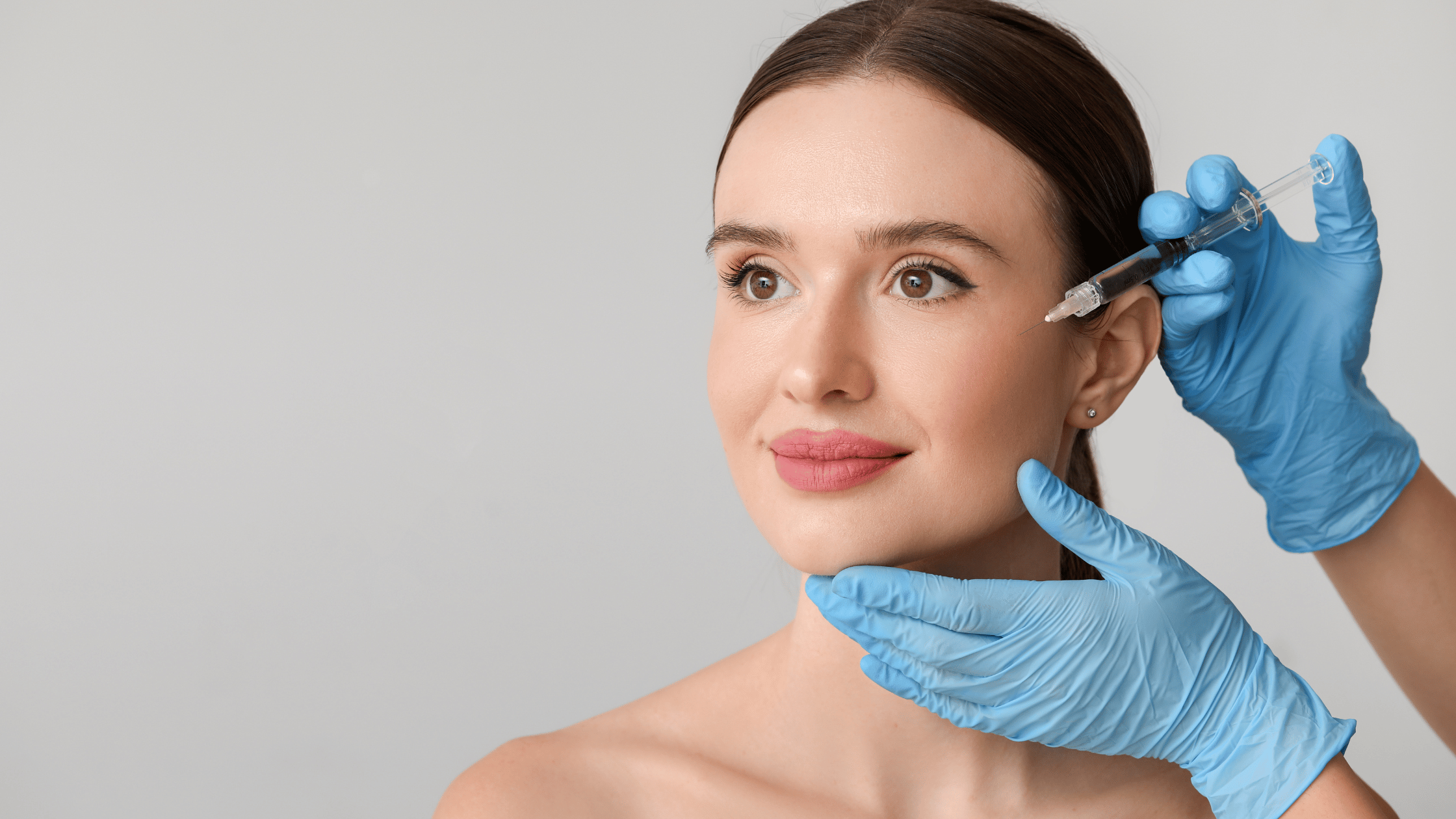
Cheek fillers have become increasingly popular as a minimally invasive cosmetic treatment to enhance facial contours, restore youthful volume, and improve overall appearance. If you’re considering cheek filler injections for the first time, it’s essential to be well-informed about what to expect, the benefits and risks involved, and how to prepare effectively. This guide covers everything you need to know before undergoing your first cheek filler procedure, helping you achieve the best possible results safely and confidently.
Understanding Cheek Fillers: The Basics
Cheek fillers, also known as dermal fillers, are gel-like substances injected beneath the skin to add volume, smooth wrinkles, and enhance facial structure. Commonly used fillers for cheeks include:
- Hyaluronic Acid Fillers (e.g., Juvederm, Restylane): These are popular for their safety profile, reversibility, and natural-looking results.
- Calcium Hydroxylapatite Fillers (e.g., Radiesse): Known for providing robust structural support and lasting effects.
Knowing the type of filler and its suitability for your aesthetic goals ensures satisfaction with your results.
Benefits of Cheek Fillers
Cheek fillers offer several attractive benefits that contribute to their popularity:
- Instant Results: Immediate improvement in facial contours, volume, and symmetry.
- Non-Surgical: Minimally invasive with little downtime, making it a convenient alternative to surgical procedures.
- Reversible and Adjustable: Particularly with hyaluronic acid fillers, results can be adjusted or reversed if desired.
- Youthful Appearance: Fillers restore volume lost due to aging, providing a rejuvenated, youthful look.
Clearly understanding these benefits can help set realistic expectations about your treatment outcomes.
Choosing the Right Practitioner
Selecting a qualified and experienced injector is crucial to ensure both safety and desirable results:
- Credentials and Certification: Choose practitioners who are board-certified dermatologists, plastic surgeons, or trained cosmetic injectors.
- Experience and Portfolio: Review before-and-after photos of previous patients to gauge the injector’s skill and aesthetic style.
- Consultation Quality: A reputable provider should offer thorough consultations, clearly explaining the procedure, expected results, risks, and answering all your questions.
Choosing a competent practitioner significantly reduces the risk of complications and enhances satisfaction.
Preparing for Your Cheek Filler Injection
Proper preparation can greatly influence your comfort during the procedure and overall outcomes:
- Medical Evaluation: Share your medical history, allergies, current medications, and previous cosmetic treatments with your practitioner.
- Avoid Blood Thinners: Refrain from medications or supplements (like aspirin, ibuprofen, or vitamin E) that could increase bruising and swelling for at least one week before treatment.
- Stay Hydrated and Healthy: Ensure proper hydration and avoid alcohol or smoking several days prior to the procedure to promote optimal healing.
Adequate preparation helps minimize discomfort, bruising, and ensures a smooth recovery.
The Procedure: What to Expect
Understanding the step-by-step process can alleviate anxiety and prepare you for the experience:
- Consultation and Marking: The injector assesses your facial structure, marks the injection sites, and discusses final details.
- Numbing the Area: Topical anesthetic cream or numbing agents may be applied to ensure comfort.
- Injection Process: The filler is carefully injected into targeted areas of your cheeks using fine needles or cannulas.
- Immediate Assessment and Adjustments: The practitioner evaluates the results immediately and makes minor adjustments if necessary.
The entire procedure typically takes less than an hour, allowing for immediate return to most daily activities.
Post-Procedure Care and Recovery
Proper aftercare ensures optimal results and minimizes side effects:
- Immediate Aftercare: Avoid strenuous exercise, excessive heat, and direct sun exposure for at least 24-48 hours.
- Managing Swelling and Bruising: Apply ice packs intermittently during the first 24 hours to reduce swelling or bruising.
- Gentle Skin Care: Refrain from aggressive skincare treatments or makeup application on the treated areas for at least one day.
- Follow-Up Appointments: Schedule follow-up visits as recommended by your practitioner to evaluate results and discuss potential touch-ups.
Effective aftercare helps you achieve and maintain the best results from your filler procedure.
Potential Side Effects and Risks
Though generally safe, cheek fillers carry potential side effects:
- Common Side Effects: Mild swelling, bruising, redness, tenderness, or itching at the injection site, typically resolving within a few days.
- Rare Complications: Infection, allergic reactions, filler migration, lumps, asymmetry, or vascular complications. Prompt medical attention can mitigate most risks.
Being aware of these possibilities allows for early detection and management of any adverse effects.
Setting Realistic Expectations
Having realistic expectations about results is crucial for satisfaction:
- Natural Enhancement: Aim for subtle, natural-looking improvements rather than dramatic changes.
- Duration of Results: Cheek fillers typically last 6-18 months, depending on filler type, placement, and individual metabolism.
- Gradual Adjustments: Consider incremental treatments to avoid overly dramatic or unnatural results.
Understanding what fillers can realistically achieve ensures satisfaction and prevents disappointment.
Cost Considerations
Cheek filler costs vary based on several factors:
- Type of Filler: Premium products often cost more but can provide superior, longer-lasting results.
- Injector’s Expertise: Experienced practitioners may charge higher fees due to their skill level and reputation.
- Geographic Location: Costs may vary significantly depending on the region and clinic.
Clarify costs upfront during your consultation to avoid unexpected financial surprises.
Alternatives and Complementary Treatments
Discussing alternative or complementary treatments with your practitioner can enhance your overall appearance:
- Other Cosmetic Injectables: Botox or fillers for other facial areas may complement cheek enhancement.
- Non-Invasive Skin Treatments: Procedures like laser resurfacing or chemical peels can improve skin quality alongside fillers.
Considering these options provides a holistic approach to facial rejuvenation.
Conclusion
Your first cheek filler injection is a significant step toward enhancing your facial contours and boosting confidence. By thoroughly understanding the procedure, carefully selecting a skilled practitioner, and adequately preparing for treatment and aftercare, you can safely and confidently achieve beautiful, natural-looking results. Awareness of potential risks, setting realistic expectations, and being informed about aftercare ensures your cheek filler experience is positive, rewarding, and satisfying.